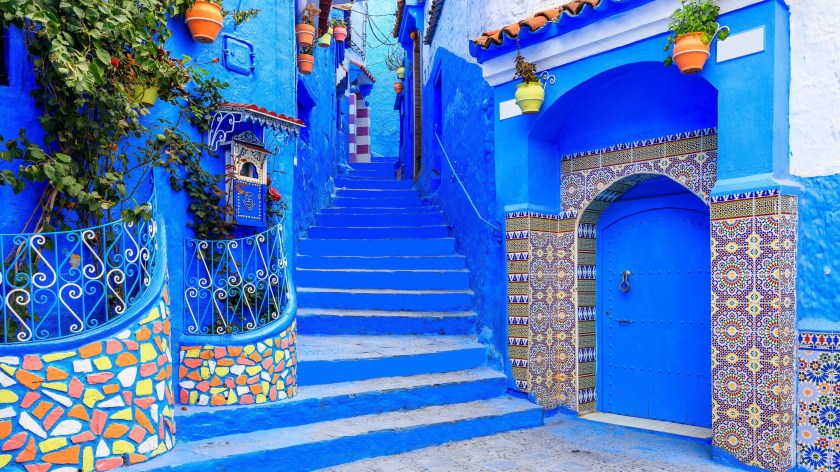
There was a moment this past year when, nestled in a car winding in the shadows of the Rif Mountains, I felt as if I had stepped into the pages of a Kerouac novel. Life, I mused, seemed like a “step across chronological time into timeless shadows” as we move on, year after year, “in the bleakness of the mortal realm, and the sensation of death kicking at (our) heels to move on.” Being in middle age now, I find myself perpetually contemplating this gift of life as I realise there may only be a little time left in this phase of existence and thus the need to live through it purposefully and meaningfully, sifting out the things that matter from the things that don’t.
It is difficult to appreciate being in this colourful autumn of life when so much madness is going on in the world. “It’s hard to love when there’s so much to hate,” George Michael sang in his 1990 hit song, ’Praying for Time’. It can seem so pointless to believe in the goodness of humanity when one has spent a whole year watching death and destruction in Gaza in what must be one of the most harrowing, live-streamed catastrophes of our times. And all the good people in the world seemed unwilling, or unable, to do anything about it. We have been horrified, angry, and confused, but we have carried on regardless.
The resilience of the human spirit to survive, even in the midst of death, must be one of the few saving graces of our species. Even in Rafah and Khan Yunis, the people there found moments between the bombing to write poems, to sing, to feed each other, to get married, to pray, and to bury each other. One of the most profound quotations I came across in my reading this year was from the late Simon Boas’ book, ‘A Beginner’s Guide to Dying’, in which he said, that no matter what happens “…the world will continue…children will want ice creams and people will fall head-over-heels in love and musicians will delight us and comedians will poke fun and people will tend their gardens and collect geeky things.”
“If you can,” he wrote, “ignore politics, consume much less news and try to stay away from social media. They all miss the big picture…..carpe that diem and keep it carped.”
The Year of the Dragon
2024 was the Year of the Dragon, a mythical fire-breathing beast symbolising opportunity and good luck. But that’s not how it seemed. Instead, we have had a year of paradoxes in which the rules we made for an organised world were continuously broken, where order and chaos danced hand in hand, and the virtuous and the vile shared the same stage. The Chinese have an old curse that says, “May you live in interesting times,” and it looks like that is exactly where we have landed.
Russia is still at war with Ukraine, and Israel is still bombing Gaza. Myanmar is in civil war, as is Sudan, and an insurgency broke out in the Sahel. Pagers exploded in Lebanon, an assassination killed Haniyeh in Tehran, and the Assad regime has come to an end in Damascus. Half the world went to the polls this year. Modi lost his majority in India, the ANC lost theirs in Pretoria, and Macron is still juggling to have one in France. The UK voted out the Tories, the US voted for Trump, and Mexico voted in its first female president. Opposition candidates won the Mauritius, Botswana, Senegal, Japan, and Sri Lanka elections. Putin won again. And Kagame won again.
The State of Palestine got a seat in the UN. Sweden joined NATO. Hurricane Hidaya visited the East African coast as Hurricane Helene caused havoc in Spain. The youth protested over taxation in Kenya. Sheikh Hasina fled from Bangladesh. Nasrallah and Sinwar are killed. The ICC issued an arrest warrant for Netanyahu. South Korea (almost) went under martial law, and the German government seems to be in crisis.
Paris hosted the Olympics, Spain won Euro24, India won the cricket World Cup, Djokovic lost Wimbledon, and Jude Bellingham – took a sad song and made it better.
Oppenheimer ruled at the Oscars, Taylor Swift became a billionaire, Quincy Jones died, Dame Maggie Smith died, Assange was freed, Jimmy Carter turned 100, and the Gallagher brothers agreed not to look back in anger. Then Biden pardoned his son.
The death toll in Gaza is now over 45,000. And all we hear is radio ga ga.
Autocracy has had its best year since 1937. Despite a year brimming with elections worldwide, democracy has never appeared so impotent in fulfilling its promise of equality and freedom. We watched as our “rules-based world order” crumbled on its own Animal Farm. Having spent an entire career championing a world of fairness, on laws that treat every nation and every human equally, supposedly premised on basic human values, I am heartbroken at how short-changed I feel in these Orwellian times. We seem to be living in a commonwealth of plundered hope, all of us -the beloved and the beloathed- silently witnessing the staggering depths of human brutality. What seemed more newsworthy than the wanton loss of human lives was Donald Trump berating the dog eaters of Springfield. This is what Michael Stipe must have meant when he sang about finding yourself in a corner, losing your religion.
The only unforgivable sin, they say, is deliberate cruelty.
To quote Shakespeare, “Alas, our frailty is the cause, not we, for such as we are made of, such we be.”
The Year in Music
Ultimately, it is music that serves as a unifying force, weaving the fabric of our collective experience to create different memories of the same times and the same songs. It is an art form that transcends the boundaries of language, articulating our deepest anxieties, aspirations, hopes, and dreams.
One cannot always discern the magnificence of a year in music while it is still happening, yet from the beginning of 2024, there was a palpable sense that it was going to be an interesting one. Modern pop has still not won me over, and I am quite content listening to the wonderful songs of the yesteryears, yearning to immerse myself permanently in their nostalgic embrace.
However, the rise of Shaboozey, a black artist who has become one of the biggest country singers this year, was nothing short of delightful. His fusion of country and rap resonated with me more than any other contemporary artist these past twelve months. The year was further enriched by the well-received releases from two of my favourite neo-soul artists, Leon Bridges and Michael Kiwanuka, along with the remarkable 2024 album by rock band Kings of Leon—their best in a decade—which added to the colour of this year’s musical tapestry.
Curiously, Chapell Roan’s Good Luck Babe!, with its infectious chorus, became an unexpected earworm, despite my initial reluctance. Yet, it was the slower, melancholic, and introspective ballads of country and folk-rock artists Waxahatchee, Kacey Musgraves, and Hurray for the Riff Raff that became my steadfast companions, their sombre melodies echoing the contemplative mood of the year.
Reflecting on my musical journey this year, it becomes evident: these are the harmonies of a soul gracefully embracing middle age, affirming, as one artist eloquently expressed, that the past is still alive.
Albums
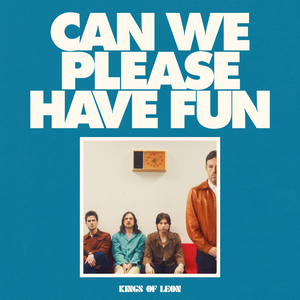
- Can We Please Have Fun KINGS OF LEON
- Yummy JAMES
- Talker WILDERADO
- Leon LEON BRIDGES
- The Past is Still Alive HURRAY FOR THE RIFF RAFF
- Deeper Well KACEY MUSGRAVES
- Tigers Blood WAXAHATCHEE
- Where I’ve Been, Isn’t Where I’m Going SHABOOZEY
- Small Changes MICHAEL KIWANUKA
- The Great American Bar Scene ZACH BRYAN
Songs
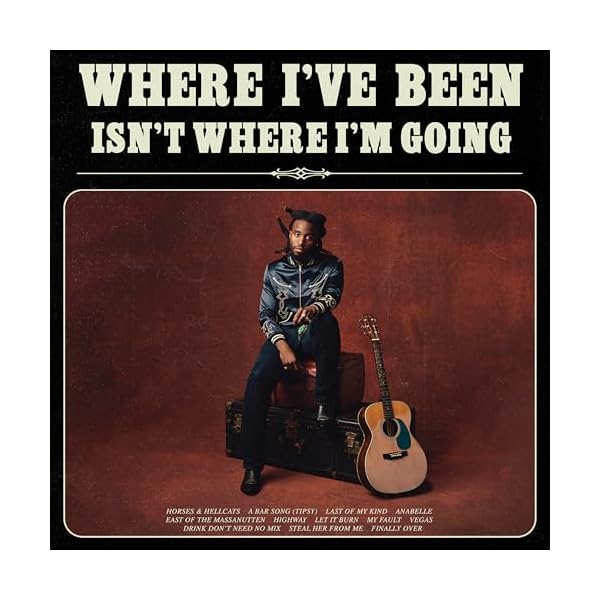
- A Bar Song(Tipsy) SHABOOZEY
- Vegas SHABOOZEY
- All in Good Time IRON & WINE
- Don’t Forget Me MAGGIE ROGERS
- Carousel SAAD LAAMJARED & ENESSE
- Lose Control TEDDY SWIMS
- Too Sweet HOZIER
- Some Dreams A FLOCK OF SEAGULLS
- Good Luck, Babe! CHAPELL ROAN
- Revelator PHOSPHORESCENT
The Year in Film and TV
2024 has been fraught with challenges, a tempest that has left many of us struggling with unwelcome anger, unsure of how to channel it constructively. The fertile grounds for misinformation—and its more insidious counterpart, disinformation—have only grown more abundant, adding to the turmoil and confusion. Through this storm of emotions and falsehoods, we have navigated a path that has tested our resilience and understanding.
The enchantment of cinema remains a beacon of hope, a timeless medium through which humanity converses, consoles, and connects. Even amidst the tumult of this trying year, the magic of movies and television has given me solace and clarity. The titles I share with you here have been my guiding stars, illuminating the path through an otherwise bewildering journey. May you find your way to these treasures, and perhaps one or two (or more) will nestle within your heart, offering the same comfort and inspiration they have given me.
Though a serious meditation on the plight of refugees striving to breach Europe’s borders from the Middle East and Africa, Green Border transcends mere lamentation. With beautiful artistry and remarkable sensitivity, it weaves harsh realities with tender threads of hope and resilience. Moving and uplifting, it speaks to those who cherish art’s intertwining with reality. By its end, Green Border leaves you emboldened, galvanised, and a touch more melancholy and wise, a testament to cinema’s enduring power to inspire and illuminate.
In Hard Truths, Marianne Jean-Baptiste plays Pansy, a woman seemingly held together by her own anger. We are never granted the solace of understanding what contributed to Pansy’s indomitable ire, nor are we given the comfort of any redemption. Yet, despite—or perhaps because of—her inscrutable pain, we find ourselves reaching out to her. Director Mark Leigh has an uncanny ability to depict the intricate tapestry of complex, often unlikeable characters and transforms his films into recognisable family portraits. Though these portrayals may make us cringe, they hold a mirror to our own souls, reflecting the fragmented parts of ourselves that we may hesitate to acknowledge. In Pansy’s raw, unfiltered existence, we see the echoes of our own unspoken struggles.
Mohammad Rasoulof’s The Seed of Sacred Fig delves into the harrowing consequences when a nation becomes fervently obsessed with controlling its women under the delusion of rightful dominion. At its core is a devout government servant, recently elevated to the prestigious position of investigating judge—a monumental step for him and his family. However, as his teenage daughters awaken to the insidious nature of the comfortable life their father’s position has provided, their newfound awareness sparks a volatile upheaval. Inspired by the fervent protests in Iran following Mahsa Amini’s tragic death in 2022, this film intricately weaves elements of a gripping thriller, family drama, and a chilling horror story. Rasoulof masterfully portrays the explosive collision between oppressive societal norms and the unyielding spirit of rebellion, creating a narrative that is as captivating as it is thought-provoking.
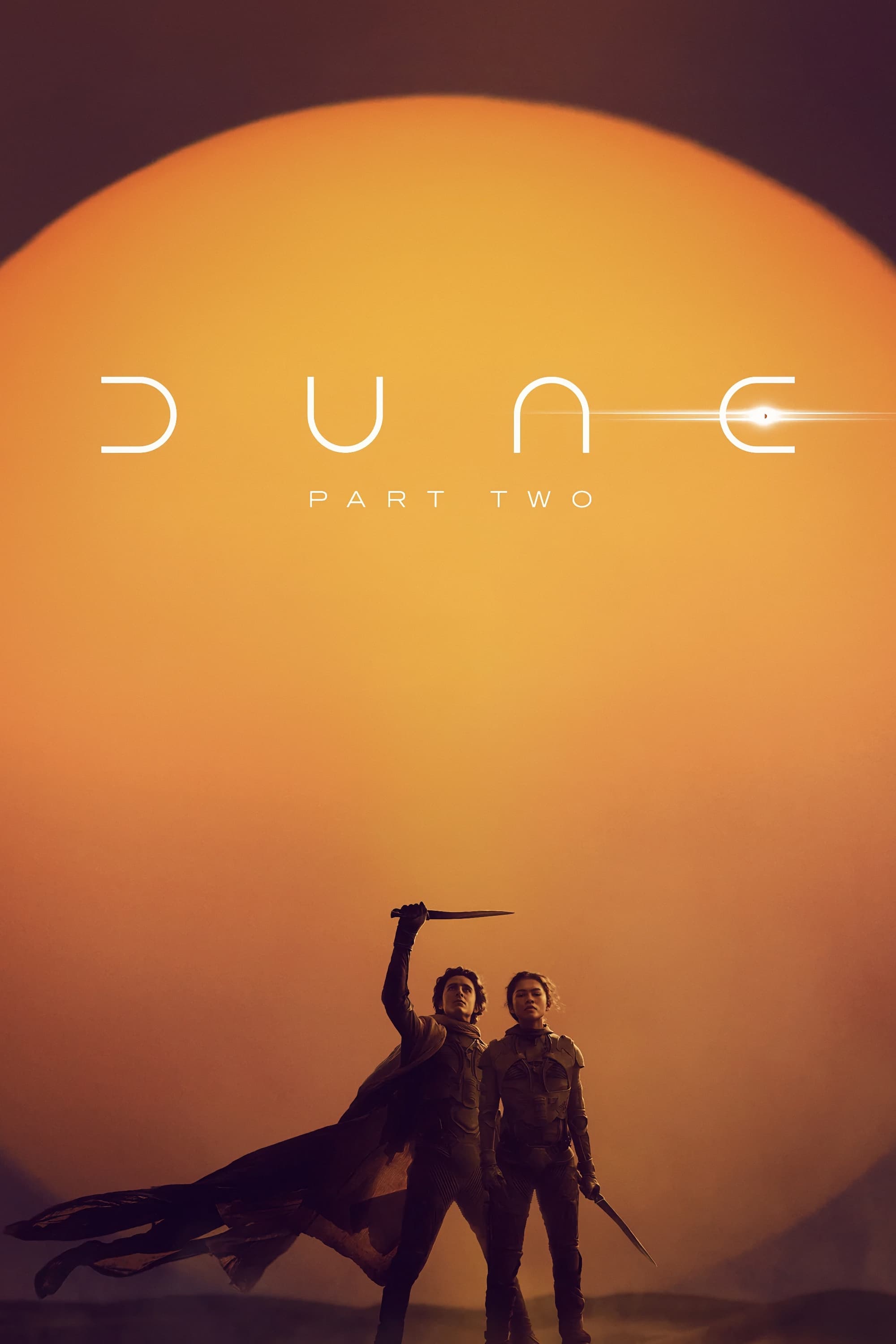
Dune, Part Two is the quintessential desert saga that took us back to the sands of Arakis. It is a cinematic marvel that engulfs you in its vast, arid world. Director Denis Villeneuve has masterfully crafted an experience that is nothing short of fully immersive. The film continues the narrative from the second half of the original novel, chronicling Paul Atreides’ descent into the role of a false prophet, propelling a holy war. Timothee Chalamet brilliantly portrays Paul, whose journey is marked by a tragic sense of inevitability. Each step he takes towards his destiny is tinged with the bitter realisation that he is trapped in a fate that offers only ruin—whether through demise or transformation into a monstrous figure. Zendaya, who plays the character Chani, is caught in the web of Paul’s internal and external conflicts, torn between her heart’s desires and the imperative to ensure her people’s survival. Dune, Part Two is a testament to the power of storytelling, a grand epic that resonates with the timeless struggle of humanity.
All We Imagine As Light centres on three women employed at a Mumbai hospital, where the relentless pulse and texture of their city ensnares them in emotional solitude. This cinematic gem delves into the yearning for love and sanctuary from rigid cultural norms. The narrative traces their quest for some semblance of escape, ultimately leading them to embrace life on their own terms rather than the one prescribed by societal expectations. The film is quiet and poetic, seamlessly shifting between political, sensual, and sentimental tones while acknowledging the strife and socioeconomic inequality alongside the beauty of India’s lower class. It is a poignant and graceful portrayal of resilience and self-discovery, and I believe is 2024’s best film.
Films
- All We Imagine As Light (India)
- Dune, Part Two
- The Seed of the Sacred Fig (Iran/Germany)
- Green Border (Poland)
- Hard Truths
- Bob Marley One Love
- His Three Daughters
- Juror #2
- Anora
- Small Things Like These
Other notable mentions: Thelma, Ghostlight, Conclave, Sing Sing, and Last Summer (France)
TV
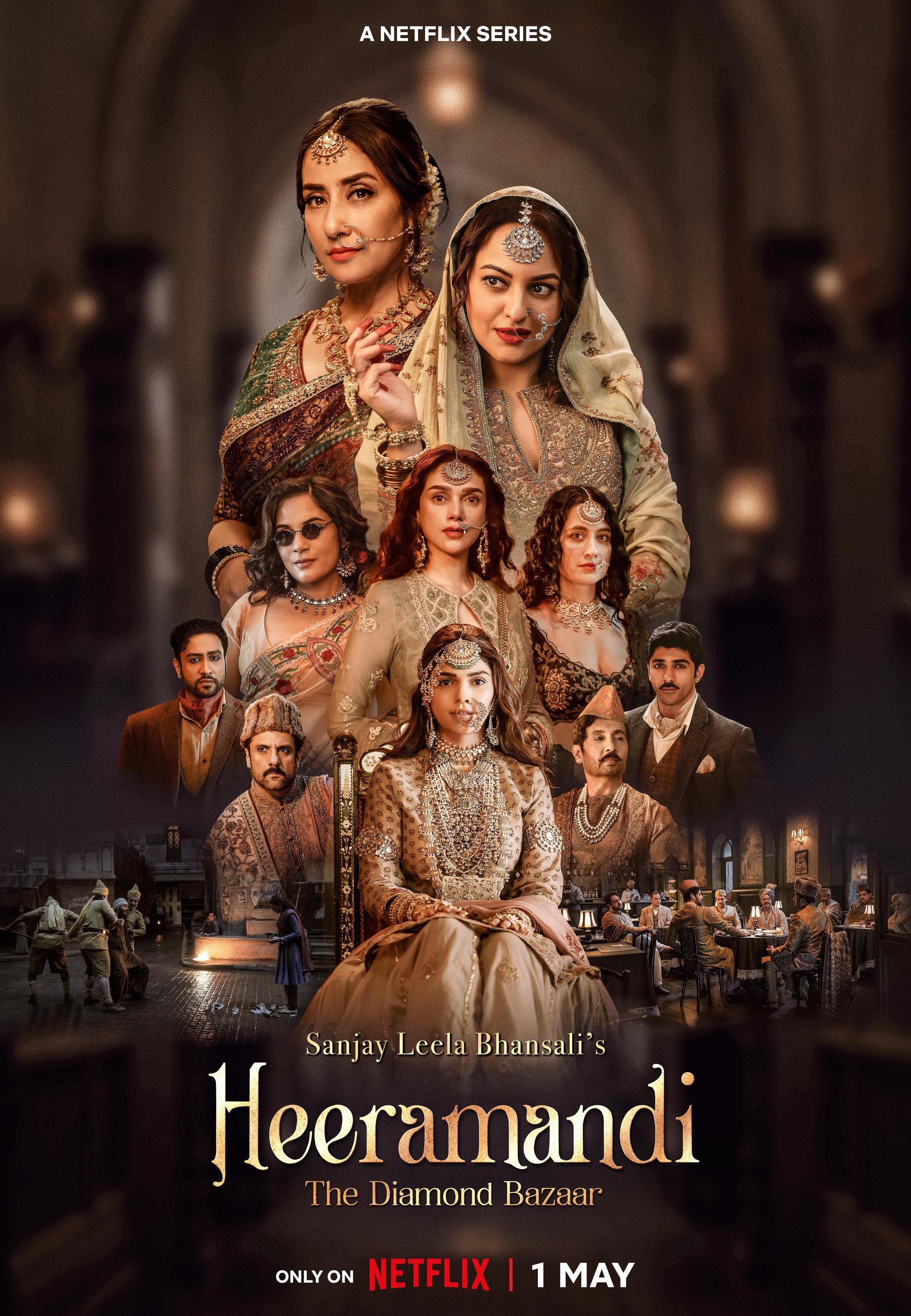
- Heeramandi (Netflix)
- Shōgun (Hulu/FX)
- Pachinko, Season 2 (Apple TV+)
- The Day of the Jackal (Peacock)
- Say Nothing (Hulu/FX)
- True Detective: North Country (Max)
- Presumed Innocent (AppleTV+)
- Ripley (Netflix)
- Disclaimer (AppleTV+)
- Wolf Hall: The Mirror and the Light (BBC)
Other notable mentions: House of the Dragon, Season 2 (Max), Feud: Capote vs. The Swans (Hulu/FX), Bad Sisters, Season 2 (AppleTV+), and Cross (Prime)
The Year in Books
One of the year’s most acclaimed books, James by Percival Everett, boldly reimagines Mark Twain’s Adventures of Huckleberry Finn from the perspective of the slave Jim. Everett remains true to the events of Twain’s original story, but weaves a parallel narrative where James is now literate, but hiding his intellect behind a “slave filter” dialect for survival. “White folks expect us to sound a certain way, and it can only help if we don’t disappoint them,” James explains. He secretly educates himself on Voltaire and John Locke, even debating them in his dreams about human rights and his own humanity. As he travels down the Mississippi with Huck, James faces life-altering decisions, transforming from a mere side character in Twain’s book into a hero with agency in this one. Everett’s reimagining gives one of literature’s noblest characters the story he deserves.
Tommy Orange’s Wandering Stars, a semi-sequel to his acclaimed There There, begins with the harrowing 1864 Sand Creek Massacre, when Native Americans were brutally killed or displaced by the U.S. Army. One of the survivors of that massacre is sent to the Carlisle Indian Industrial School, an institution aimed at eradicating Native history and culture. The novel traces the family’s subsequent generations all the way to the present time, illustrating that despite the schools’ efforts, essential fragments of Native heritage persisted through decades of violence, poverty, and addiction. This book stands as a compelling examination of the lingering impacts of genocide.
Andrew O’Haggan’s Caledonian Road, set in a rapidly decaying London, is a multifaceted satire following Campbell Flynn, a public intellectual ensnared in deceit and avarice, making a series of bad choices that ultimately lead to his downfall. The narrative weaves a complex tapestry of street toughs, immigrants, Russian oligarchs, British aristocrats, political leaders, human traffickers, and the intertwined realms of media, art, and fashion. One of my most enjoyable reads this year, it is a radiating critique of so-called polite society offering a vivid snapshot of post-pandemic Britain.
But the standout read of my year was My Friends by Hisham Matar. This evocative narrative revolves around Khalid Abd al Hady, a Libyan exile reflecting on his time away from home and the companions he meets while in exile. The story opens with a touching farewell between Khalid and his friend Hosam, igniting a journey into their past. Years earlier, as a student, Khalid narrowly escaped death at a protest at the Libyan Embassy in London, which he was urged to participate in by his classmate Mustafa. As the years go by, Khalid adapts to life in Britain, forging deep friendships with Hosam and Mustafa. A central theme of the novel is that friendship provides a haven for honesty and affection, often denied by family and country. The book’s mood is melancholic, and Matar captures this beautifully: “It turns out it is possible to live without one’s family. All one has to do is to endure each day and gradually, minute by minute, brick by brick, time builds a wall.” My Friends is Matar’s elegiac hymn to exile, offering a subtle, graceful, and intimate exploration of loss and disconnection.
Books
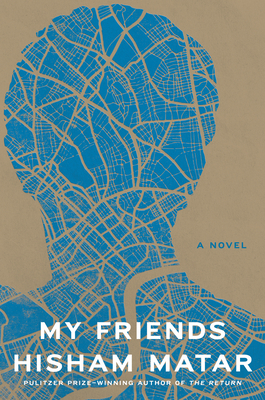
- My Friends HISHAM MATAR
- Wandering Stars TOMMY ORANGE
- Caledonian Road ANDREW O’HAGGAN
- James PERCIVAL EVERETT
- The Message TA-NEHISI COATES
- Our Evenings ALAN HOLLINGHURST
- Blackouts JUSTIN TORRES
- This Strange Eventful History CLAIRE MESSUD
- Knife: Meditations After an Attempted Murder SALMAN RUSHDIE
- Good Material DOLLY ALDERTON
Other notable books: Creation Lake by Rachel Kushner, Martyr! by Kevah Akbar, Intermezzo by Sally Rooney, and All Fours by Miranda July
An Imperial Odyssey to The Maghreb
In Greek mythology, the Titan Atlas bears the eternal burden of holding the heavens upon his shoulders, condemned by the Olympian gods to this fate at the western edge of the world. When the Arabs ventured to this distant frontier, they simply named it Al Maghreb, or The West—a name that Morocco still proudly bears in the Arabic tongue.
Earlier this year, my travelling companions and I embarked on an odyssey to The Maghreb, a journey to revel in the abundance of life and the vigour of ageing. We ascended and descended serpentine roads winding through the country’s seven imperial cities for eight days. We journeyed through vast, empty fields in the south, past lush olive groves, and onwards to Tangier, where Africa flirts with the shores of Spain. As we passed through invisible portals of ancient and modern worlds, culture and music burst into vibrant life. In the narrow souqs of Fez, beside the oldest university in the world, we were transported into the enchanting tales of the Arabian Nights, where street vendors hawk magical lamps and carpets promise to fly.
Morocco unfolded as a revolving door of wonders: the medina of Marrakech, the Kasbah of the Udayas in Rabat, the towering gate at Meknes, the majestic mosque of Casablanca, and the radiant blue city nestled under the Rif mountains. I am still enthralled by the high of Chefchaouen—a town so old, so blue, so serene—that it rejuvenates every soul, leaving visitors humble and renewed. In a land that has witnessed the rise and fall of civilisations, we find a hint of solace from the world’s madness. People endure, and as we strolled through the Roman ruins of Volubilis, it became evident that nothing is ever forgotten. As long as people sing and tell stories, the past remains alive.
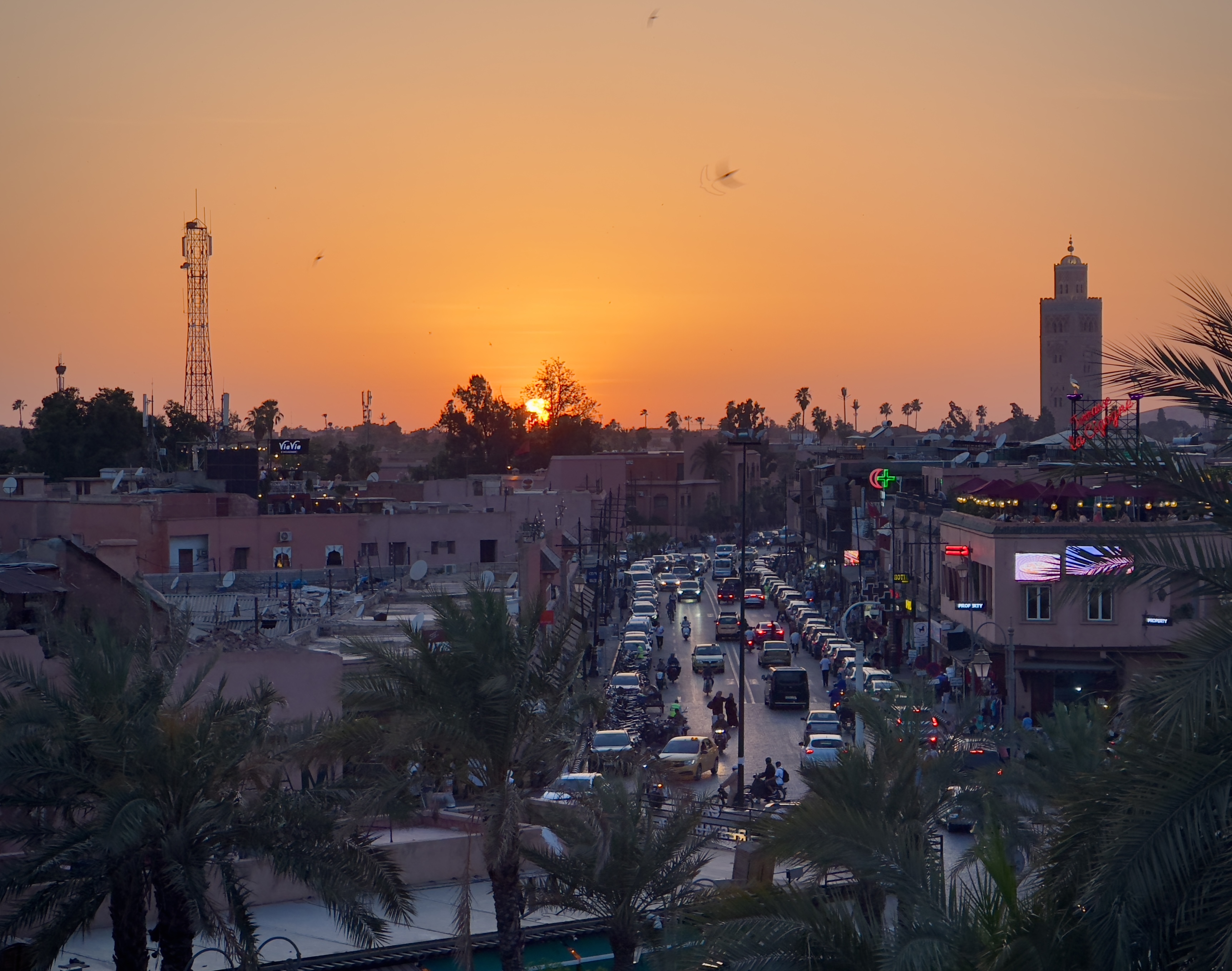
On our final evening, it was fitting to watch the golden globe of the sun sink in the land of the west, casting a red glow over the walls of Marrakech. As darkness set in, the grand square, the Jmaa el Fna, came alive with singers, poets, and charmers, beckoning us to return to its endless nights, like in the tales of Scheherazade.
Bidding farewell to Morocco, I glanced back one last time to see the steadfast mountains in the distance and at Atlas, who is still holding up the sky for us all.
A Long Day’s Journey
One of the luminous highlights of my year was the sublime experience of watching Eugene O’Neill’s revered play, Long Day’s Journey Into Night, at the Wyndham Theatre in London. Heralded as his crowning achievement, the play unravels the heartrending narrative of a family entangled in the throes of their shortcomings—their addictions, shattered dreams, and moral imperfections. Performed by an ensemble of A-list actors, the play offers an unflinchingly honest and affecting examination of making wrong choices, settling for less, and the grief of what might have been. As the evening in the play drew to a close, the cast ponders how best to salvage the remaining time.
It is that time left which is perhaps the most precious and meaningful. A cherished quote from Kazuo Ishiguro’s Booker-winning novel, The Remains of the Day, echoes this sentiment beautifully. Miss Kenton, one of the book’s central characters, reflects, “The evening’s the best part of the day. You’ve done your day’s work. Now you can put your feet up and enjoy it.” I have looked back on this past year with the same wonderment many feel towards the end of a long journey, appreciating the random fortune of being gifted this brief span of light between two eternities of nothingness.
The world has always been mad, and history has shown us that those with the most power are often also the weakest. I am long past the careless beauty of youth, but I wish to always stay true to my demons—still hungry for fairness, still yearning for more stories, and still believing in rules that are now being shattered to smithereens. In another of this year’s great books, Kaveh Akbar says in Martyr!, “all those severe poets talking big about the wages of sin all the time, but nobody ever brought up the wages of virtue. The toll of trying really hard to be good in a game that’s totally rigged against goodness.”
What is to come from these times? I do not know, but I leave you with another quote from yet another of this year’s great books, Charlotte Wood’s Stone Yard Devotional: “There is a feeling that something is coming, waiting to be born, out of this time. Almost physical, like a period, or a pregnancy, or vomiting. Something is getting ready to resolve itself.”
May the evening always be the best part of your day.

 NOORMOHAMED